REACH certification is the abbreviation of the EU Regulation, Evaluation, Authorization and Restriction of Chemicals, "Registration, Evaluation, Authorization and Restriction of Chemicals", and is a chemical regulatory system implemented on June 1, 2007. The REACH Directive requires that all chemicals imported and produced in Europe must go through a comprehensive set of procedures such as registration, evaluation, authorization and restriction, in order to better and more simply identify the composition of the chemical to achieve the purpose of ensuring environmental and human safety.
Unlike the RoHS directive, REACH covers a much broader range. In fact, it will affect products and manufacturing processes in almost all industries, from mining to textiles and garments, light industry, and electromechanical industries. REACH requires manufacturers to register each chemical component in a product, there are about 30,000 in total, and to measure its potential harm to public health. REACH has established the concept that society should not randomly introduce new materials, products or technologies with uncertain potential hazards. In all countries and regions, no company's products that trade with Europe are exempt from REACH certification.
The electronic products that require REACH certification are:
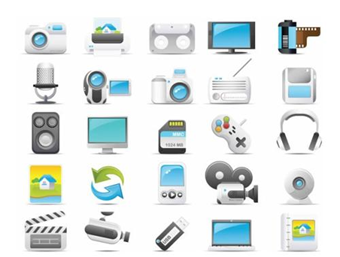
REACH certification testing is to conduct various tests on products in strict accordance with REACH regulations. Electronic products refer to related products based on electric energy, mainly including: telephones, televisions, video disc players (VCD, SVCD, DVD), video recorders, camcorders, radios, radio recorders, combined speakers, compact disc players (CD), Computers, mobile communication products, etc.
The purpose of implementing REACH certification for electronic products
1. Protect human health and the environment, protect and improve the competitiveness of the EU chemical industry.
2. Increase the transparency of chemical information.
3. Reduce vertebrate experiments.
4. Be consistent with the EU's international obligations under the WTO framework.
5. In a substantial sense, REACH will create a unified chemical management system within the EU to enable companies to follow uniform principles to produce new chemicals and other products.
Substances of Very High Concern (SVHC) required by REACH
(1) CMR category: carcinogens, mutagenic substances, and substances toxic to the reproductive system;
(2) PBT category: persistent, bioaccumulative toxic substances;
(3) vPvB category: permanent and highly bioaccumulating substances;
(4) Substances that may have a serious impact on human health and the environment.
ZRLK recommendations
With the continuous update of the SVHC candidate list, companies are facing more and more control requirements. Enterprises need to improve their own product risk awareness. Within six months after the substance is included in the SVHC candidate list, eligible enterprises need to complete the SVHC notification in the article. It is recommended that companies investigate the supply chain as soon as possible to calmly respond to changes in regulations.
For more relevant information, you are welcome to call ZRLK directly to consult our staff for detailed cost quotation and cycle information.

![[Holiday Notice] 2026 ZRLK Tomb-Sweeping Day Holiday Schedule](/uploads/image/202604/69cf7a77c25a6.jpg)