With the popularity of electronic products and the rapid development of new energy technologies, polymer batteries have become the new darling of the market because of their high energy density, lightweight and high safety characteristics. However, in the face of increasingly strict market regulation and high consumer requirements for product safety, 3C certification of polymer batteries has become a threshold that battery manufacturers must cross.
The importance of 3C certification
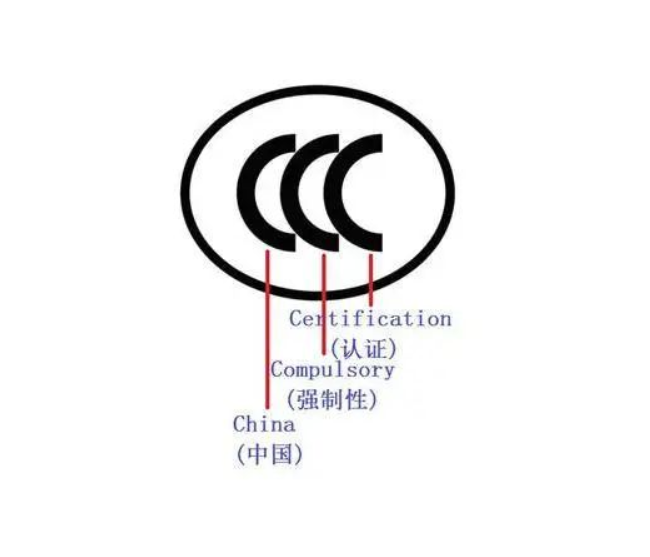
3C certification, or "China Compulsory Product Certification", is a product conformity assessment system implemented by the Chinese government to protect consumers' personal safety and national security and strengthen product quality management. For polymer batteries, 3C certification is not only a test of product safety performance, but also a "pass" for enterprises to enter the domestic market and even the international market.
Polymer batteries certified by 3C can effectively prove that they meet national mandatory standards and have safe and reliable performance, thereby enhancing consumer trust and enhancing the market competitiveness of the brand.
The main content of 3C certification
The 3C certification of polymer batteries covers multiple aspects of testing and evaluation, mainly including the following aspects:
1, electrical performance test: including battery charging and discharging performance, capacity retention rate, cycle life, etc., to ensure that the battery can stable output power during use.
2, safety test: including overcharge, overdischarge, short circuit, extrusion, high temperature and other extreme conditions of safety performance test, to ensure that the battery in abnormal circumstances will not occur fire, explosion and other dangerous situations.
3, environmental adaptability test: including high and low temperature environment performance test, to ensure that the battery can work normally under various environmental conditions.
4. Material and structural evaluation: Evaluate the material and structural design of the battery to ensure that it meets the relevant national standards.
The significance of 3C certification for enterprises
For battery manufacturers, 3C certification is not only a necessary step to meet regulatory requirements, but also an important means to enhance product competitiveness. On the one hand, 3C certification can help enterprises establish a sound quality management system to improve product safety and reliability; On the other hand, certified products are more easily recognized by consumers, thus expanding market share.
In addition, with the deepening of global trade, 3C certification has also become a "stepping stone" for enterprises to enter the international market. Importers in many countries and regions will give priority to certified products when purchasing battery products to reduce supply chain risks.
3C certification of polymer batteries is not only a necessary condition for business compliance, but also an important tool to enhance product competitiveness and expand the market. As a professional testing and certification company, ZRLK has rich experience and professional technical team to provide a full range of 3C certification services for battery manufacturers.
![[Holiday Notice] 2026 ZRLK Tomb-Sweeping Day Holiday Schedule](/uploads/image/202604/69cf7a77c25a6.jpg)